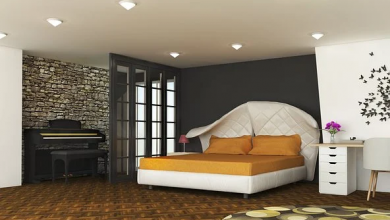


Sleep is the foundation of human health, recovery, and cognitive function. While many people focus on sleep supplements, strict bedtime routines, or tracking devices to optimize their rest, they often overlook the physical environment where sleep takes place. Your bedroom is not just a room for furniture storage; it is an environmental ecosystem that directly interacts with your biology.
Every element in your bedroom, from the color on the walls to the hidden air quality factors, can either support or disrupt your circadian rhythm. Designing a bedroom specifically tailored for sleep optimization requires an understanding of how light, sound, temperature, and tactile comfort affect your neurological and physical systems. By treating your bedroom as a dedicated recovery chamber, you can significantly enhance your deep and rapid eye movement sleep cycles.
Environmental Controls: Light and Sound Engineering
The human brain relies heavily on environmental cues to regulate its internal clock. Light and sound are the two most powerful external factors that dictate whether your body releases wakefulness hormones like cortisol or sleep-inducing hormones like melatonin.
Advanced Light Mitigation Strategies
Even microscopic amounts of ambient light can penetrate your eyelids, signal your brain through your retinas, and disrupt your sleep cycles. To prevent this, you must control both natural outdoor light and internal artificial light.
-
Blackout Window Systems: Standard curtains or blinds leave gaps at the top, bottom, and sides. To block light completely, install custom blackout drapery panels that extend several inches past the window frame on all sides. For a cleaner look, use track-mounted blackout roller shades with side channels that physically lock out incoming streetlights and morning sun.
-
Eliminating Internal Light Pollution: Electronic devices, power strips, and charging docks often feature small LED power lights. These blue and green light sources are highly disruptive. Unplug unnecessary electronics, move charging stations to a different room, or cover unavoidable indicator lights with specialized black adhesive tape.
-
Dimming Systems for Wind-Down: In the hours leading up to bedtime, your lighting should mimic the setting sun. Install dimmable light switches and choose warm-toned LED bulbs that emit light around 2700K. Avoid fluorescent or bright white bulbs in the evening, as they emit blue wavelengths that trick your brain into thinking it is midday.
Acoustic Management and Soundproofing
Sudden spike noises from traffic, barking dogs, or shifting floorboards can instantly pull you out of deep sleep, even if you do not fully wake up. Creating a quiet environment involves absorbing internal sounds and blocking external noise.
To achieve this, introduce substantial soft surfaces to your room. Hardwood and tile floors bounce sound waves around, amplifying noise. Covering a large portion of the floor with a thick wool area rug paired with a dense felt pad beneath it will significantly quiet the space. Additionally, heavy fabric window drapes serve a dual purpose by blocking light and dampening street noise. If external sounds remain an issue, running a dedicated white noise machine or a high-efficiency particulate air purifier provides a steady, soothing hum that masks disruptive background sounds.
Thermal Regulation and Mattress Technology
Your core body temperature must drop by roughly two degrees Fahrenheit to initiate and sustain deep sleep. If your sleeping environment traps heat, your body will struggle to cool down, leading to tossing, turning, and fragmented sleep.
Choosing Performance Mattresses and Bedding Materials
The materials closest to your skin play a major role in your body’s ability to regulate temperature throughout the night. Many modern mattresses are constructed with traditional memory foam, which reacts to body heat to contour to your shape. Unfortunately, traditional foam acts like an insulator, trapping heat directly beneath your body.
When selecting a mattress for sleep quality, prioritize hybrid designs. These mattresses combine supportive steel coils with open-cell foam or natural latex, allowing continuous airflow through the core of the bed. For your sheets and duvet covers, skip synthetic materials like polyester or microfiber, which lock in sweat and heat. Instead, opt for highly breathable, moisture-wicking natural fibers such as long-staple cotton, Tencel made from eucalyptus wood pulp, or pure linen.
Microclimate Maintenance
While bedding handles moisture and temperature near your body, the ambient air in the room must also stay regulated. Keep your thermostat set to a cooler temperature in the evening. To keep the air moving without creating a harsh draft directly on your face, use a low-profile ceiling fan set to a low speed, rotating counterclockwise to draw cool air upward.
Spatial Organization and Psychological Calm
Visual chaos in a bedroom translates directly into mental clutter. When your eyes scan a room filled with dirty laundry, work documents, or half-finished projects, your brain interprets those items as tasks left incomplete, triggering a subtle stress response that hinders relaxation.
Dedicated Storage and Concealment
To promote mental calm, the area directly visible from your pillows should be as clean and minimal as possible. Use built-in wardrobes, under-bed storage boxes with dust covers, and deep nightstand drawers to keep daily items out of sight. Keep laundry hampers inside a closet or bathroom rather than exposed in the corner of the bedroom.
Color Psychology and Matte Finishes
The colors on your bedroom walls influence your emotional state when winding down. Vibrant, high-energy colors like bright red, intense yellow, or vibrant orange stimulate the nervous system and can elevate your heart rate.
Instead, select a color scheme from a calming palette of soft sage greens, muted slate grays, warm taupes, or deep midnight blues. When purchasing paint, always choose a flat or matte finish. Matte walls absorb light rather than reflecting it, eliminating harsh glare from lamps and creating a softer, more inviting atmosphere.
Frequently Asked Questions
How does air quality in the bedroom affect the overall depth of sleep?
Poor air quality can irritate your upper respiratory tract, leading to snoring, mouth breathing, and frequent nighttime awakenings. High levels of carbon dioxide build up in a closed bedroom overnight, which can cause you to wake up feeling groggy or suffering from morning headaches. Keeping a window slightly cracked or running a dedicated air purifier keeps air fresh and reduces airborne allergens.
Why is it recommended to remove televisions and laptops from the sleeping area?
Televisions and laptops emit high amounts of blue light, which directly halts melatonin production. Beyond the light spectrum, these screens provide stimulating entertainment and news updates that keep your mind active and engaged, making it difficult to transition into a calm, restful state when it is time to sleep.
Is it better to sleep with a bedroom door open or closed for safety and comfort?
From a sleep quality standpoint, an open door allows for better airflow and temperature regulation throughout your home. However, from a fire safety standpoint, it is highly recommended to sleep with your bedroom door closed. A closed door acts as a barrier that slows the spread of smoke, heat, and toxic gases if a fire breaks out elsewhere in the house.
How often should pillows be replaced to maintain proper spinal alignment?
Most sleep specialists suggest replacing your sleeping pillows every eighteen to twenty-four months. Over time, pillows lose their structural integrity and fail to support your neck properly, leading to muscle strain. Furthermore, pillows collect dust mites, dead skin cells, and body oils, which can trigger allergies and disrupt your breathing at night.
What role does humidity play in creating a healthy sleep environment?
The ideal relative humidity level for a bedroom is between thirty and fifty percent. If the air is too dry, it can parch your throat, nasal passages, and skin, causing irritation that wakes you up. If the humidity is too high, it creates a sticky, uncomfortable sleeping environment and promotes the growth of mold and dust mites.
Can plants in the bedroom help improve sleep quality?
Certain indoor plants can subtly improve your sleep environment. Plants like the snake plant and aloe vera absorb carbon dioxide and release oxygen during the night, which can improve local air quality. Additionally, seeing natural greenery inside your home has been shown to lower cortisol levels and foster a sense of relaxation.