
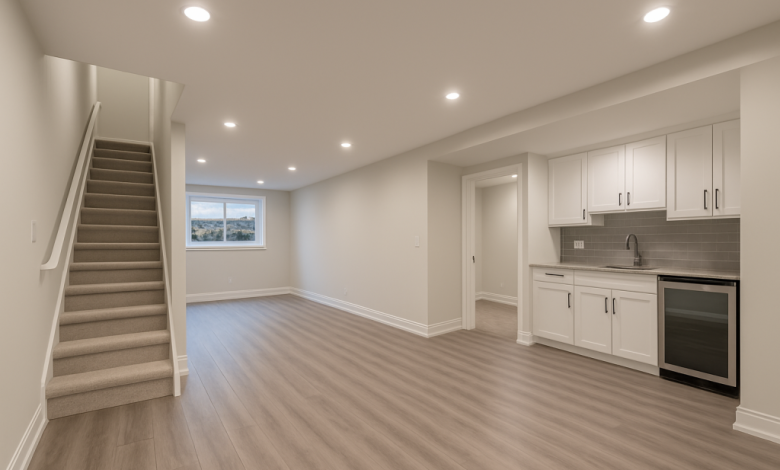
For many homeowners, the basement is an afterthought—a dimly lit repository for holiday decorations, out-of-season clothing, and mechanical equipment. However, looking at a basement as merely storage is a missed opportunity. Representing up to half of a home’s total footprint, the subterranean level possesses immense untapped potential. Whether you want to expand your living space, build a dedicated entertainment hub, or increase your property’s resale value, a well-planned basement transformation is one of the most impactful home improvement projects you can undertake.
Unlocking this potential requires a deep understanding of the unique architectural, structural, and environmental factors that govern below-grade spaces. From moisture mitigation to spatial design, transforming a basement from a concrete bunker into an inviting oasis demands careful planning and execution.
The Structural Realities of Below-Grade Spaces
Before picking up a hammer or choosing paint colors, you must address the fundamental physics of a basement. Because basements are entirely or partially submerged in the earth, they interact with the surrounding environment differently than above-grade living spaces.
Moisture and Waterproofing
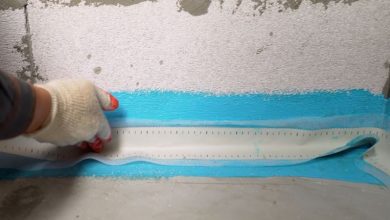
The greatest adversary of any basement is water. Soil naturally retains moisture, and hydrostatic pressure can force water through microscopic cracks in concrete foundations. Before investing in finishings, you must ensure the space is completely dry.
-
Exterior Mitigation: The best way to keep a basement dry is to prevent water from reaching the foundation in the first place. Ensure that the ground slopes away from your home’s foundation at a rate of at least six inches over the first ten feet. Gutters and downspouts must be clean and extended at least five feet away from the house.
-
Interior Defenses: Installing a sump pump with a battery backup system is crucial for areas with high water tables. Applying a crystalline waterproof coating to bare concrete walls can also prevent capillary action, where moisture wicks through the masonry.
Insulation and Thermal Comfort
Basements are notoriously cool and damp because they are surrounded by earth, which maintains a relatively constant, lower temperature than the outside air. Proper insulation is vital not just for comfort, but for energy efficiency and mold prevention.
When warm, humid indoor air comes into contact with cold concrete walls, condensation occurs. To prevent this, avoid traditional fiberglass batt insulation directly against concrete. Instead, use rigid foam board or spray foam insulation. These materials serve as both a thermal barrier and a vapor retarder, stopping moisture from trapped air from condensing and fueling mold growth behind your drywall.
Strategic Layout and Space Planning
Designing a basement layout requires a different approach than designing a main floor. You must navigate existing structural obstacles such as support columns, low-hanging ductwork, plumbing mainlines, and mechanical rooms.
Managing Mechanicals and Utilities
Your furnace, water heater, and electrical panel are typically anchored in the basement. Building codes require clear access to these systems for maintenance and safety.
Instead of leaving them exposed, build a dedicated mechanical room. Ensure the walls are soundproofed using rockwool insulation to dampen the noise of a cycling furnace or water heater. Be sure to check local building codes for the required clearance distances around electrical panels and combustion appliances.
Maximizing Natural Light
The lack of natural light is often what makes a basement feel uninviting. Overcome this challenge by utilizing specific architectural strategies:
-
Egress Windows: Beyond being a legal safety requirement for any basement bedroom, large egress windows flood the space with natural daylight, stripping away the subterranean aesthetic.
-
Open Concept Design: Minimize the number of interior walls. An open layout allows light from existing windows to penetrate deeper into the floor plan.
-
Light Wells: Deepening the exterior window wells and lining them with reflective or light-colored materials will maximize the amount of sunshine bounced into the room.
Selecting the Right Materials for Longevity
The subterranean environment demands durable materials capable of handling fluctuating humidity levels. Choosing the wrong finishes can result in warped floors, sagging ceilings, and ruined investments.
Flooring Solutions
Traditional solid hardwood flooring should never be installed directly over a concrete basement slab. The wood will absorb moisture from the concrete and expand, leading to cupping and buckling. Instead, opt for engineered alternatives:
-
Luxury Vinyl Plank (LVP): This is the gold standard for modern basements. LVP is completely waterproof, mimics the look of real wood or stone, and can be installed as a floating floor over a vapor barrier.
-
Engineered Hardwood: If you must have real wood, engineered hardwood features a plywood core that resists expanding and contracting, making it more stable below grade.
-
Polished Concrete: For a modern or industrial aesthetic, staining and sealing the existing concrete slab is highly durable, hypoallergenic, and impervious to water damage.
Wall and Ceiling Options
While standard drywall is acceptable for walls, consider using mold-resistant drywall (often called purple or green board) in areas prone to dampness.
For the ceiling, you face a choice between a drywall ceiling or a suspended (drop) ceiling. A drywall ceiling offers a clean, residential look that makes the basement feel identical to the upper floors. However, a suspended ceiling provides unmatched utility, allowing you to access plumbing valves, electrical junction boxes, and HVAC dampers easily. Modern acoustic drop ceilings come in stylish, smooth panels that look far more sophisticated than the commercial tiles of the past.
Lighting and Aesthetic Design Principles
Because basements inherently lack abundant sunlight, your artificial lighting scheme must do the heavy lifting to create a warm, inviting ambiance.
The Three Layers of Lighting
A successful basement design utilizes three distinct layers of lighting to eliminate dark corners and create visual depth:
-
Ambient Lighting: Recessed LED canister lights (pot lights) are the ideal choice for basements. They sit flush with the ceiling, preserving precious headroom. Space them evenly to eliminate shadows.
-
Task Lighting: This includes under-cabinet lighting in a basement bar, pendant lights over a pool table, or a bright desk lamp in a home office.
-
Accent Lighting: LED strip lighting installed along the perimeter of a tray ceiling, inside built-in bookshelves, or behind a wall-mounted television adds dramatic flair and makes the space feel larger.
Color Psychology Below Grade
To counteract the enclosed feeling of a basement, opt for a strategic color palette. While bright white can sometimes look stark and clinical in low-light environments, soft neutrals like warm gray, greige, cream, and light taupe reflect light efficiently while keeping the vibe cozy. If you want to use bold, dark colors, confine them to a single accent wall or use them in a dedicated home theater room where darkness is desired.
Frequently Asked Questions
What is the minimum ceiling height required for a finished basement? According to most residential building codes, finished habitable basement spaces must have a ceiling height of at least 7 feet. Exceptions are usually made for beams, ducts, and pipes, which can typically project down to 6 feet 6 inches, provided they do not block primary paths of travel.
How can I determine if my basement foundation cracks are structural threats? Hairline cracks (less than one-eighth of an inch wide) are common as concrete settles and cures over time, and they generally do not threaten structural integrity. However, horizontal cracks, stair-step cracks in brick or block foundations, or cracks wider than one-quarter of an inch indicate significant hydrostatic pressure or shifting soil and require immediate evaluation by a structural engineer.
Can I install a bathroom in the basement if the main sewer line is above the floor? Yes. If your home’s main sewer line exits through the wall above the basement floor, you cannot rely on a traditional gravity-fed plumbing system. Instead, you must install an upflush toilet system or a sewage ejector pump. This system collects wastewater in a sump basin below the floor and pumps it upward into the main sewer line.
What is the difference between a walk-out basement and a daylight basement? A walk-out basement is built on a slope, allowing one side of the basement to be completely above grade with full-sized doors and windows opening directly to the outside yard. A daylight basement has windows above ground level to let in natural light, but it does not have a door leading directly outside at ground level.
How do I properly ventilate a basement to prevent stale air? Because basements are subterranean, air can easily become stagnant. To maintain air quality, integrate your basement into your home’s central HVAC system with both supply and return vents. Additionally, running a dedicated energy recovery ventilator (ERV) or a whole-house dehumidifier tied into your drainage system will constantly exchange stale indoor air with fresh outdoor air while controlling humidity.
Is a vapor barrier necessary under basement flooring if the concrete seems dry? Yes, a vapor barrier is always necessary. Concrete is porous and constantly breathes, absorbing ground moisture and releasing it as invisible water vapor through a process called moisture vapor transmission. Even if the slab looks dry to the naked eye, unvented vapor will trap itself beneath your flooring, leading to mold, mildew, and adhesive failure over time.