
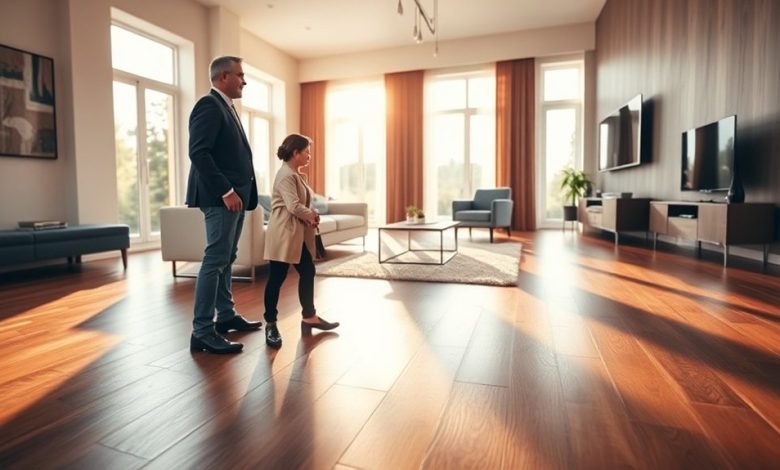
When homeowners consider renovations to increase their property equity or prepare a house for the real estate market, they frequently focus on high-profile upgrades like kitchen countertops and bathroom vanities. While these projects undoubtedly yield significant returns, one of the most critical structural components of a home is often overlooked: the flooring.
Flooring serves as the literal and visual foundation of any residential property. It is one of the first physical elements a prospective buyer encounters upon crossing the threshold, significantly influencing their initial sensory impression. The condition, material composition, and continuity of a home’s flooring can directly dictate its appraised market value and shorten its time on the market. Understanding how different flooring types influence buyer psychology and financial valuations allows homeowners to make strategic investments that yield maximum financial returns.
The Psychological Power of First Impressions
In the real estate industry, buyer appeal is heavily driven by immediate emotional and sensory responses. Flooring plays a monumental role in this process because it occupies the entire horizontal plane of a house.
When a buyer sees worn, stained, or highly dated flooring, it triggers a subconscious calculations of immediate post-purchase expenses. They do not just see old carpet; they see a home project that requires hiring contractors, moving furniture, and spending thousands of extra dollars before they can comfortably move in. Conversely, pristine, high-quality flooring conveys a sense of meticulous property maintenance, suggesting that the home has been well cared for beneath the surface as well.
Analyzing Flooring Materials and Financial Returns
Different flooring materials carry distinct valuations in the minds of appraisers and buyers. While some materials offer high durability at a lower cost, others command a premium price tag that significantly lifts the overall value of the home.
Solid Hardwood: The Gold Standard of Residential Equity
Solid hardwood flooring remains the undisputed leader in generating home value and buyer demand. Real estate metrics consistently demonstrate that homes featuring genuine hardwood floors sell faster and for higher prices than those with synthetic alternatives.
-
Long-Term Longevity: Unlike synthetic materials that must be replaced when damaged, solid hardwood can be sanded, stained, and refinished multiple times over many decades, making it a highly sustainable choice.
-
Universal Aesthetics: Hardwood fits seamlessly into almost any architectural style, from historic traditional homes to ultra-modern minimalist layouts.
-
Appraiser Premium: Real estate appraisers view permanent, solid wood fixtures as tangible structural assets, which directly supports a higher property valuation.
Engineered Wood and Luxury Vinyl Plank: High-Performance Alternatives
For areas of the country where climate or moisture levels make solid wood impractical, engineered wood and luxury vinyl plank have emerged as excellent alternatives that still preserve strong buyer appeal.
Engineered hardwood features a real wood veneer atop a stable, multi-layer plywood core. This structure resists expansion and contraction caused by fluctuating humidity, making it an excellent upgrade for basements and single-level slab homes.
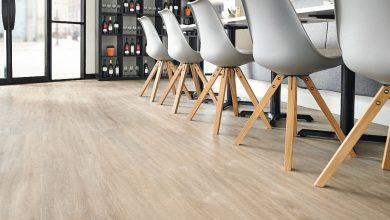
Luxury Vinyl Plank, commonly known as LVP, has grown drastically in popularity due to its extreme durability and water-resistant qualities. High-end LVP features realistic grain textures and protective wear layers that resist scratches from pets and heavy foot traffic. While LVP may not fetch the exact same appraisal premium as authentic solid wood, its resistance to damage makes it highly appealing to young families and buyers seeking a low-maintenance home.
The Declining Appeal of Wall-to-Wall Carpeting
In past decades, wall-to-wall carpeting was viewed as a cozy luxury. In the modern real estate market, however, extensive carpeting often acts as a deterrent for buyers.
Modern buyers associate carpeting with trapped dust, pet allergens, and hidden stains. If carpeting is used, it should be restricted to bedrooms, where soft insulation underfoot is still highly appreciated. When listing a home for sale, ensuring that any remaining carpet is completely neutral in color and professionally deep-cleaned is essential for preserving buyer interest.
The Financial Importance of Visual Continuity
One of the most common mistakes homeowners make when remodeling over time is creating a fragmented flooring layout. Installing tile in the kitchen, a specific hardwood in the living room, a different laminate in the hallway, and carpet in the bedrooms destroys the visual flow of a home.
Creating the Illusion of Space
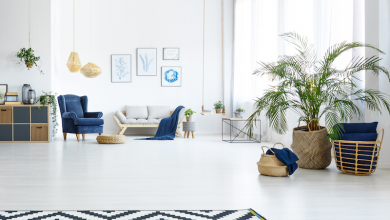
Visual continuity is a design strategy that carries real financial value. When a single flooring material flows seamlessly from the entryway through the living spaces and into the kitchen, it eliminates harsh visual boundaries. This seamless transition tricks the brain into perceiving the home as significantly larger and more cohesive than its actual square footage dictates. In contrast, choppy transitions make rooms feel small, isolated, and dated.
The Open Concept Imperative
With the continued dominance of open-concept floor plans, cohesive flooring is non-negotiable. A large great room that is awkwardly split between kitchen tile and living room carpet looks disjointed. Utilizing a single, durable, water-resistant material across the entire open area unifies the space and maximizes its competitive edge in the housing market.
Strategic Allocation of Remodeling Budgets
To get the highest return on investment, homeowners must allocate their flooring budgets strategically based on room priority. Not every room requires top-tier luxury materials to achieve high buyer appeal.
High-Priority Zones
The entryway, living room, dining room, and kitchen should receive the highest quality flooring materials your budget allows. These are the high-visibility, high-traffic spaces where buyers spend the vast majority of their time and where first impressions are secured. Investing in premium hardwood or high-end natural stone tile in these zones delivers the most substantial impact on market value.
Secondary and Utilitarian Spaces
In secondary spaces like guest bedrooms, home offices, or laundry rooms, you can opt for cost-effective alternatives without hurting your home’s marketability. Using high-quality laminate or durable luxury vinyl plank in a laundry room or basement is widely accepted by buyers, provided the material complements the color scheme and design language used throughout the rest of the house.
Frequently Asked Questions
Does replacing carpet with hardwood always guarantee a full return on investment?
While returns vary by local real estate markets, replacing worn carpet with hardwood flooring generally yields one of the highest returns of any interior renovation project, often recovering seventy to more than one hundred percent of the initial installation costs upon resale. Furthermore, it significantly increases the speed at which a home sells, reducing ongoing carrying costs for the seller.
How do appraisers account for different types of flooring during a property valuation?
Appraisers evaluate flooring based on its condition, quality, and permanence. Permanent materials like real hardwood, stone, and high-end ceramic tile add structural value to the home appraisal. Conversely, temporary or low-grade materials like laminate or worn carpet are looked at as items nearing the end of their useful life, which can result in a downward adjustment of the property condition rating.
Is it better to refinish existing hardwood floors or replace them entirely before selling?
If the existing hardwood floors have sufficient thickness remaining on the wear layer, refinishing them is always the superior financial choice. Refinishing costs a fraction of the price of a total replacement, allows you to update the stain color to a modern neutral tone, and preserves the historic character and authentic value of the original wood.
What flooring material is currently preferred for luxury kitchens?
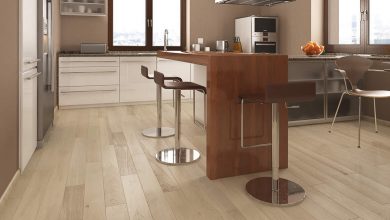
While ceramic and porcelain tiles remain highly popular due to their water resistance, modern luxury kitchens increasingly feature the exact same engineered or solid hardwood found in the adjacent living areas. This unified approach supports the open-concept layout and creates a warmer, more upscale aesthetic underfoot.
Should I install trendy flooring patterns like herringbone to attract modern buyers?
Trendy patterns like herringbone or chevron can look exceptionally beautiful in dedicated architectural accent zones, such as a formal foyer or a primary bathroom. However, using highly stylized patterns across the entire home can be risky, as design trends evolve quickly and distinct patterns can polarize buyers who prefer a more traditional layout.
How does pet-friendly flooring impact a home resale potential?
With a massive percentage of homebuyers owning pets, highlighting scratch-resistant and stain-resistant flooring, such as luxury vinyl plank or high-durability porcelain tile, can be a major selling point. Properties that feature immaculate, pet-proof flooring eliminate a buyer’s fear of immediate damage and expensive stain remediation.