
Few things are as frustrating for homeowners as discovering water seeping through a basement wall. Whether it’s a small trickle or a persistent leak, water intrusion can lead to significant damage, from weakened foundations to mold growth and ruined belongings. Fixing these issues promptly is essential to maintaining your home’s safety, value, and comfort. Interior basement waterproofing provides a practical, cost-effective way to tackle these problems without the need for exterior excavation.
Understanding Interior Basement Waterproofing
Interior basement waterproofing is a solution designed to manage water that enters a basement by addressing leaks from within. Unlike exterior waterproofing, which focuses on preventing water from reaching the foundation, interior methods work to contain and redirect water that has already made its way inside.
This approach is particularly effective for homeowners dealing with leaking walls, as it offers a minimally invasive and affordable solution. Interior basement waterproofing in Cleveland is a cost-effective option that prevents water damage, improves air quality, and protects your home’s structural integrity.
Common Causes of Basement Wall Leaks
To address a leaking basement wall effectively, it’s essential to understand what’s causing the problem. Here are some common culprits:
-
Hydrostatic Pressure
-
-
- Water buildup in the soil surrounding your foundation creates pressure that forces moisture through cracks or porous surfaces in basement walls.
-
-
Foundation Cracks
-
-
- Over time, small cracks can form in your foundation due to settling, temperature fluctuations, or soil movement, allowing water to seep into the basement.
-
-
Inadequate Drainage
-
- Poor exterior drainage systems, such as clogged gutters or improper grading, exacerbate water problems by directing rainwater toward your foundation.
By identifying the root cause of leaks, homeowners can implement targeted interior waterproofing solutions to address the issue effectively.
Methods of Interior Basement Waterproofing
There are several methods to tackle basement wall leaks from the inside. Here’s a look at some of the most effective options:
-
Sealants and Epoxy Injections
-
-
- Cracks and small gaps in basement walls can be sealed with waterproof sealants or filled using epoxy injections. These materials block water intrusion and reinforce the wall.
- This method is ideal for addressing minor cracks or localized leaks.
-
-
Interior Drainage Systems
-
-
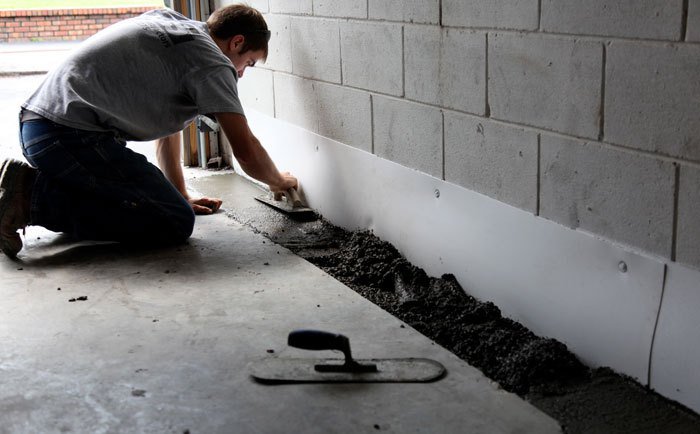
- Interior French drains or perimeter drainage systems are installed along the basement’s edge to collect water and direct it to a sump pump.
- These systems effectively manage recurring water intrusion, especially in basements prone to flooding.
-
-
Sump Pumps
-
-
- A sump pump removes water collected by drainage systems and expels it outside the home. Modern sump pumps often feature battery backups to ensure continued operation during power outages.
- This is a vital component for basements with persistent water issues.
-
-
Waterproof Coatings
-
- Applying a waterproof coating to the interior walls creates a moisture-resistant barrier, reducing the likelihood of leaks.
- While not a standalone solution for significant water intrusion, coatings complement other waterproofing methods.
Benefits of Interior Basement Waterproofing
Interior basement waterproofing offers numerous advantages for homeowners dealing with leaking walls:
-
Cost-Effective Solution
-
-
- Compared to exterior waterproofing, interior methods are generally more affordable and accessible.
-
-
Minimal Disruption
-
-
- Since interior waterproofing doesn’t require exterior excavation, it’s less invasive and quicker to implement.
-
-
Versatility
-
-
- These methods are suitable for various types of leaks and can be customized to address specific issues in your basement.
-
-
Improved Indoor Air Quality
-
-
- By reducing moisture, interior waterproofing prevents mold and mildew growth, creating a healthier living environment.
-
-
Preserves Usable Space
-
- A dry basement can be used for storage, recreation, or as additional living space, increasing your home’s functionality.
When to Seek Professional Help
While some minor leaks or cracks may seem manageable as DIY projects, significant or recurring water issues often require professional expertise. A qualified contractor can:
-
Conduct a Thorough Assessment
-
-
- Professionals can identify the root cause of leaks and recommend the most effective waterproofing solutions.
-
-
Ensure Proper Installation
-
-
- Experienced contractors have the tools and knowledge to correctly install drainage systems, sump pumps, and sealants for long-lasting results.
-
-
Provide Peace of Mind
-
- Hiring professionals ensures the problem is addressed comprehensively, reducing the risk of future issues.
For the best results, consult a trusted waterproofing specialist who can tailor solutions to your home’s unique needs.
Conclusion
Leaking basement walls can cause significant problems if left unaddressed, but interior basement waterproofing offers an effective and practical solution. By using methods like sealants, drainage systems, sump pumps, and waterproof coatings, homeowners can stop leaks, protect their foundation, and create a safer, more functional basement space.
Whether you’re dealing with minor cracks or persistent water intrusion, addressing the issue promptly is key to preventing further damage and preserving your home’s value. With the right interior waterproofing measures in place, you can enjoy a dry and worry-free basement for years to come.
Are you dealing with a leaking basement wall? Let the experts at Expert Basement Waterproofing Cleveland help you find the perfect solution. Our team specializes in reliable and effective interior basement waterproofing to keep your home safe and dry. Contact us today to schedule an inspection and get started on protecting your basement for the future.