
The area beneath a home may be easy to forget, but its condition can influence moisture levels, structural materials, insulation, and overall comfort. Because crawl spaces are largely out of sight, problems can develop for months before homeowners realize something is wrong. Damp soil, standing water, damaged insulation, or deteriorating wood can eventually affect areas above the space. Regularly checking crawl spaces in Ashburn can help homeowners identify developing concerns before they turn into larger and more expensive problems.
If you’ve noticed musty odors, moisture, sagging floors, or other concerns beneath your home, visiting https://ashburnfoundationrepairpros.com/ can help you explore professional foundation and crawl space solutions. An evaluation can identify where moisture is entering, determine whether structural materials have been affected, and help establish what improvements may be appropriate for the property.
Moisture Is One of the Biggest Crawl Space Concerns
Crawl spaces are particularly vulnerable to moisture because of their proximity to the ground.
Water vapor can rise from exposed soil and increase humidity beneath the house. Rainwater may also enter when exterior grading, gutters, or drainage systems fail to move water effectively away from the foundation.
The U.S. Department of Energy explains that moisture can migrate through soil beneath a crawl space and enter as either liquid water or vapor. Without proper protection, that moisture can contribute to condensation on floor joists and create conditions favorable to deterioration.
Managing moisture is therefore one of the most important parts of maintaining a healthy space beneath the home.
Know the Warning Signs of Trouble
Homeowners don’t necessarily need to enter a crawl space to notice that something may be wrong.
Persistent musty odors inside the house can be an early clue. Floors that feel unusually soft, uneven, or bouncy may also deserve attention, particularly if the condition appears to be getting worse.
Other warning signs can include visible condensation, damp insulation, standing water, wood discoloration, or evidence of mold when the area is safely accessible.
The EPA notes that crawl spaces with high relative humidity can become locations for hidden mold growth, particularly when they have bare earth floors. Moisture accumulating below the home can also migrate into other parts of the building.
Having crawl spaces in Ashburn evaluated when these symptoms appear can help determine whether moisture, drainage, or structural conditions need attention.
Exterior Drainage Can Affect the Space Below Your Home
A crawl space moisture problem doesn’t necessarily begin inside the crawl space.
Rainwater from the roof needs to be directed away from the foundation. Clogged gutters, short downspouts, poor grading, and low areas near the house can allow water to accumulate around foundation walls.
During heavy rainfall, homeowners can safely observe where water travels across their property. Puddles beside the house, overflowing gutters, or runoff moving toward the foundation instead of away from it can indicate drainage concerns.
Correcting these conditions is important because installing moisture-control materials inside without addressing significant exterior water intrusion may leave part of the underlying problem unresolved.
Good crawl space protection therefore begins with understanding how water behaves throughout the entire property.
Vapor Barriers Can Help Control Ground Moisture
Homes with exposed soil beneath them can experience moisture entering the crawl space directly from the ground.
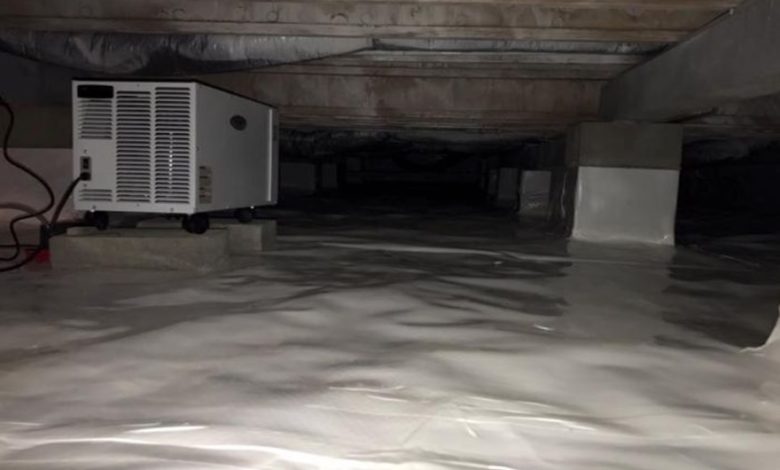
A vapor barrier creates a protective layer between the soil and the space above it. The U.S. The Department of Energy recommends covering crawl space floors with polyethylene sheeting and sealing the material around walls, piers, seams, and penetrations to create a continuous barrier.
The appropriate installation depends on the design and condition of the property, so homeowners should avoid assuming that simply laying plastic loosely over the ground will solve every moisture problem.
Water intrusion, drainage, humidity, foundation conditions, and existing structural damage should be evaluated as part of the overall solution.
Crawl Space Encapsulation May Be Worth Considering
For some properties, more comprehensive moisture management may be appropriate.
Encapsulation generally involves creating a more controlled environment by installing a durable vapor barrier across the floor and extending the system around other appropriate surfaces. Air leakage and moisture entry points may also be addressed as part of the project.
Depending on the design, humidity control can become another component. EPA moisture-control guidance recommends monitoring crawl space relative humidity and using appropriate ventilation or dehumidification when needed.
Professional assessment is important because crawl spaces in Ashburn can have different moisture sources. A property experiencing groundwater intrusion may require a different approach from one primarily affected by ground vapor or humid outdoor air.
Structural Components Should Be Checked Too
Moisture isn’t the only reason crawl spaces deserve periodic attention.
The area beneath the house may contain important structural components, including floor joists, beams, supports, and portions of the foundation. Persistent moisture can gradually affect certain building materials, particularly wood.
The EPA warns that unresolved mold and moisture problems can eventually contribute to damage of building materials and, in serious situations, structural integrity. When structural damage is suspected, evaluation by an appropriately qualified professional is recommended.
Homeowners who notice sagging or unusually soft floors shouldn’t automatically assume the problem originates with the flooring itself. Conditions beneath the home may need to be investigated.
Don’t Cover Up Problems Before Finding the Source
One common mistake is attempting to hide visible crawl space problems without determining why they developed.
Replacing damaged insulation, for example, may improve appearance but won’t solve recurring water intrusion. Similarly, treating visible mold without correcting the moisture source can allow the condition to return.
The same principle applies to structural repairs. Damaged materials should be evaluated in conjunction with the conditions that contributed to their deterioration.
Effective crawl space work begins with diagnosis. Water entry, humidity, drainage, foundation conditions, ventilation, and structural materials should be considered together before a long-term solution is selected.
Routine Checks Can Help Prevent Bigger Problems
Homeowners can make crawl space monitoring part of routine property maintenance without frequently entering the area themselves.
After periods of heavy rainfall, watch for unusual indoor odors and check accessible areas for signs of moisture. Exterior gutters and downspouts should remain clear and functional, while soil around the house should encourage water to move away from the foundation.
Any visible crawl space access point can also be checked for obvious damage or water accumulation without entering an unsafe or confined area.
Professional inspections can provide a more detailed evaluation when something changes or when the crawl space hasn’t been examined for an extended period.
Regular attention to crawl spaces in Ashburn can make it easier to catch drainage, moisture, or structural concerns while they are still manageable.
A Healthier Crawl Space Supports the Rest of the Home
The condition beneath a house shouldn’t be treated as completely separate from the living space above it. Moisture can migrate through a building, while deteriorating structural materials beneath the floor may eventually affect the rooms homeowners use every day.
Keeping the area dry and properly maintained can help protect building materials and create better conditions throughout the property. Appropriate solutions may involve drainage improvements, vapor control, humidity management, foundation repairs, or a combination of measures depending on what an inspection reveals.
Protect Your Home by Taking Care of the Space Below It
Ignoring the area beneath your house can allow moisture and structural concerns to progress unnoticed. Standing water, high humidity, poor drainage, damaged insulation, and deteriorating structural materials all deserve attention when they appear. Proper maintenance of crawl spaces in Ashburn begins by identifying the source of the problem and selecting solutions that address the property’s specific conditions rather than simply covering visible symptoms.
When you need professional help evaluating crawl spaces in Ashburn, Steadfast Foundation Repair Ashburn can assess foundation, moisture, drainage, and crawl space concerns and help determine appropriate next steps for your property. Addressing problems early can help protect the structure beneath your home and reduce the likelihood of more extensive repairs in the future.