

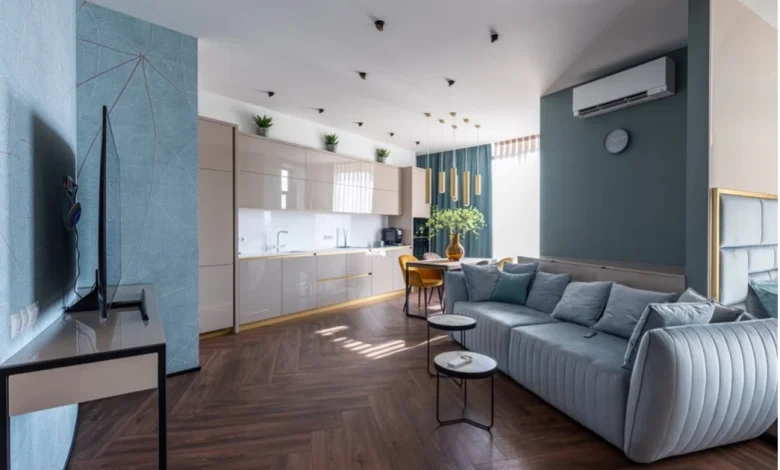
A beautiful home is great, but what happens when the furniture looks good and the room is difficult to use? A functional living space should work with your everyday routine. Whether you live in a spacious house or a compact apartment, thoughtful choices can make your home easier to move around, organise, and enjoy.
Start With How You Use the Room
Before moving furniture, think about what you actually do in the space. Is the living room mainly for relaxing, entertaining guests, watching television, reading, or working?
Once you know the room’s main purpose, arrange the furniture around those activities. Designers generally recommend letting function guide the layout rather than choosing furniture based only on appearance.
Keep Walking Paths Clear
Nothing makes a room feel more frustrating than having to squeeze between furniture every time you walk through it. Look at the routes you naturally take from one part of the room to another and make sure they remain open.
Try moving a chair, table, or decorative item that sits in the way. You may be surprised at how much more spacious the room feels without removing anything.
Choose Furniture That Works Harder
If space is limited, look for furniture that serves more than one purpose. An ottoman can provide seating while offering storage, while a sofa bed can turn a living area into an occasional guest room.
This approach allows you to get more value from every piece without filling the room with unnecessary furniture.
Give Everything a Place
Clutter can quickly make a functional room feel chaotic. Instead of leaving everyday items on tables and chairs, create dedicated storage for them.
Baskets, shelves, storage benches, cabinets, and drawers can help keep frequently used items within reach without allowing them to take over the room. You do not have to hide everything; the goal is simply to make organisation easier.
Create Different Zones
A large room does not have to function as one enormous space. You can create separate areas for different activities.
For example, one corner could be a comfortable reading area, another could be dedicated to conversation, while a small section could serve as a home office and a game space for accessing usplayercheck online casino usa. Rugs, lighting, and furniture placement can help visually separate these zones without building walls.
Don’t Overfill the Room
More furniture does not necessarily make a room more useful. In fact, overcrowding can make movement difficult and reduce the sense of space.
Before buying something new, ask yourself: Do I genuinely need this, and does it improve the way I use the room? If the answer is no, you may be better off leaving the space open.
Finally, remember that functionality does not mean sacrificing personality. Add artwork, plants, cushions, photographs, and other details that make the room feel like yours. The best living space is one that looks inviting while also making everyday life easier.