
Fence installation often seems straightforward at first. Pick a style, choose a material, set the posts, and you’re done. But in Rhode Island, weather plays a much bigger role than many homeowners expect. Seasonal changes, coastal air, and shifting soil all affect how well a fence holds up over time.
Homeowners usually realize this after dealing with leaning posts, warped panels, or sections that need repair far sooner than planned. That is often when people start looking into options like Fence Installation RI to better understand how local conditions influence fence performance and what can be done to build something that lasts.
Rhode Island Experiences All Four Seasons In Full
Rhode Island weather is not gentle on outdoor structures. Summers bring heat and humidity. Fall introduces heavy rain and wind. Winter adds freezing temperatures, snow, and ice. Spring often comes with saturated ground and unpredictable storms.
Each season places different stress on a fence. Materials expand and contract as temperatures change. Moisture seeps into wood, soil shifts around posts, and strong winds test the stability of the entire structure. A fence that is not designed or installed with these changes in mind may look fine at first but struggle within a few years.
Fence installation in Rhode Island must account for this full seasonal cycle rather than focusing on one type of weather alone.
Freeze And Thaw Cycles Affect Fence Posts
One of the biggest challenges for fence installation in Rhode Island is the freeze and thaw cycle. During winter, moisture in the soil freezes and expands. When temperatures rise, the ground thaws and contracts again. This repeated movement puts pressure on fence posts.
If posts are not set deep enough or secured properly, this cycle can cause them to shift or lift over time. Even slight movement can throw off alignment, causing sections of the fence to lean or sag.
Proper installation methods take frost depth into account and ensure posts are anchored in a way that resists seasonal ground movement.
Coastal Air And Moisture Take A Toll On Materials
Many areas of Rhode Island are close enough to the coast that salt air becomes a factor. Salt and moisture accelerate wear on fence materials, especially metal components and untreated wood.
Metal fasteners, hinges, and hardware are particularly vulnerable to corrosion in coastal environments. Wood fences can absorb moisture from humid air, leading to swelling, warping, and rot if not properly treated.Fence installation that works well inland may not hold up the same way near the coast. Material selection and protective treatments become far more important in these areas.
Heavy Rain And Poor Drainage Impact Stability
Rhode Island sees periods of heavy rainfall throughout the year. When water does not drain properly, soil around fence posts can become saturated. This weakens the ground’s ability to hold posts securely.
Over time, waterlogged soil can cause posts to tilt or sink unevenly. Fences installed without proper drainage considerations are more likely to develop alignment issues, especially after storms. Professional fence installation takes drainage into account by choosing appropriate post depth, setting methods, and placement to reduce the effects of excess water.
Wind Exposure Adds Constant Pressure
Strong winds are another factor that affects fence performance in Rhode Island. Open areas, coastal regions, and elevated properties experience more frequent wind exposure. Solid fence styles can act like sails, catching wind and transferring force directly to posts.
Without proper reinforcement, repeated wind pressure can loosen posts and strain fasteners. Over time, this stress weakens the fence and shortens its lifespan.
Choosing the right fence style and installation approach helps distribute wind load more evenly and reduces long term damage.
Sun Exposure And Temperature Changes Affect Fence Appearance
While Rhode Island is not known for extreme heat year round, summer sun still affects fence materials. Prolonged exposure to sunlight can fade colors, dry out wood, and cause materials to become brittle.
Temperature changes between seasons also contribute to expansion and contraction. This movement can loosen fasteners, create gaps, or cause panels to shift. Fence installation that allows for natural movement helps prevent cracking and warping while maintaining structural integrity.
Why Material Choice Matters In Rhode Island
Because of these weather factors, material selection plays a major role in fence performance. Wood, vinyl, aluminum, and composite materials all respond differently to moisture, temperature, and wind.
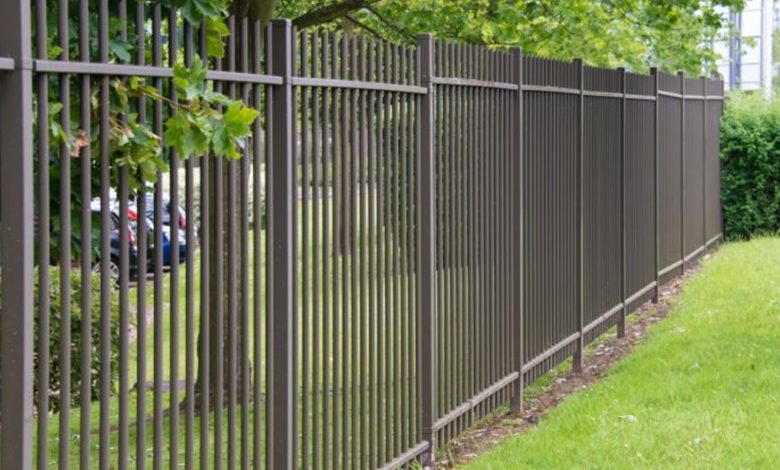
Wood fences require proper treatment and ongoing maintenance to resist rot and warping. Vinyl fences are resistant to moisture but can become brittle in extreme cold if not properly installed. Aluminum performs well in coastal environments but still requires quality hardware to prevent corrosion. Fence installation should always match material choice to the specific conditions of the property and surrounding environment.
Installation Technique Is Just As Important As Material
Even the best materials can fail if installation is rushed or improperly done. Fence posts that are not set at the correct depth, spaced correctly, or secured with appropriate materials are more likely to shift under weather stress.
In Rhode Island, proper fence installation often means deeper post placement, reinforced footings, and hardware designed to withstand moisture and corrosion. Attention to detail during installation helps ensure the fence remains stable through changing seasons.
This is one reason why professional installation often delivers better long term results than do it yourself approaches.
How Weather Impacts Fence Maintenance Over Time
Weather does not stop affecting a fence once installation is complete. Ongoing exposure means regular inspection and maintenance are important. Small issues such as loose fasteners or minor leaning can be addressed before they become larger problems.
Understanding how weather affects a fence helps homeowners plan maintenance realistically. Preventive care extends the life of the fence and protects the initial investment.
Fence installation designed with Rhode Island weather in mind typically requires less frequent major repairs over time.
Planning Fence Installation With Weather In Mind
Successful fence installation starts with planning. Considering soil conditions, exposure to wind and moisture, and seasonal changes allows for smarter decisions from the beginning.
Timing also matters. Installing a fence when the ground is stable and weather conditions are favorable can improve results. Rushed installations during wet or frozen conditions often lead to issues later.
Thoughtful planning reduces surprises and leads to a fence that performs better year after year.
A Practical Next Step For Rhode Island Homeowners
Rhode Island weather presents unique challenges for fence installation, but those challenges can be managed with the right approach. Understanding how local conditions affect materials and structure makes it easier to build a fence that lasts.
The Fence Company of Rhode Island works with homeowners who want fence installation solutions suited to local weather and property conditions. By accounting for seasonal changes, moisture, and wind exposure, professional installation helps ensure fences remain stable and attractive over time.
A fence is more than a boundary. When installed with Rhode Island weather in mind, it becomes a durable addition that protects privacy, enhances curb appeal, and stands up to the elements year after year.